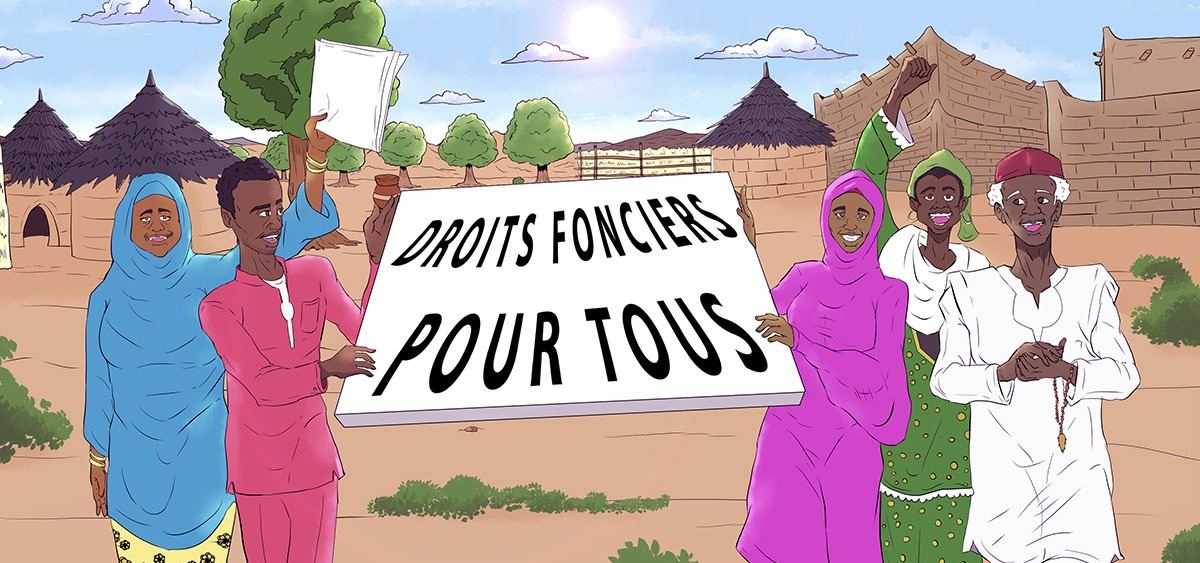
On this International Women’s Day, HiiL is proud to launch its newest publication: “Manual on Women’s Access to Rural Land in Niger: The Regions of Dosso and Tillabéri” Developed in close collaboration with the Ministry of Justice of Niger and supported by the Kingdom of the Netherlands, this manual serves as a practical roadmap to close one of the largest justice gaps facing women in rural Niger.
Why Land Rights Matter
In Niger, land is life. It is food, income, security, and social status. In rural regions such as Dosso and Tillabéri, where agriculture underpins livelihoods, access to land determines whether families can survive and thrive. Yet land disputes account for roughly 17% of reported legal problems in the country, making them one of the most prevalent justice issues. These conflicts drain income, fracture communities, and undermine social cohesion.
For women, the stakes are even higher. Although Niger’s legal framework, alongside international commitments, recognizes women’s right to access, inherit, and own land, the reality can look different. Customary practices play a decisive role in land governance. In many communities, land is considered patrilineal family property. Women’s access to land is mainly recognised through family or matrimonial customs, which can limit their long-term land tenure security. At the same time, structural barriers compound inequality. Literacy rates among rural women remain significantly lower than those of men, limiting awareness of legal rights as well as effective access to legal remedies. Many women do not always have the information and support necessary to fully exercise their rights within existing frameworks. The result? A gap between law and reality.
From Research to Action: A Practical Tool for Change
This new guideline is designed to close that gap. Grounded in field research and shaped by the expertise of local justice practitioners, the document provides actionable guidance for all stakeholders involved in land governance and in supporting rural women. It recognizes a simple truth: securing women’s land rights is not only a legal obligation, but essential for agricultural productivity, food security, and sustainable peace.
The guide puts forward eight key pathways:
- Educate and Inform Rural Women
Land commissions and local authorities must proactively explain women’s rights, including how customary practices can strengthen or weaken long-term claims to land. - Shift Community Norms
Change cannot happen without communities. Working alongside traditional and religious leaders, inclusive dialogues and sermons can help frame women’s access to land as compatible with justice, culture, and religious principles. - Institutionalize Legal Clinics
Expanding and sustainably funding legal clinics focused on land disputes ensures women can access free legal advice, mediation, and procedural guidance. - Build Inclusive Advocacy Platforms
Structured dialogue between women’s rights defenders, customary chiefs, and religious leaders is critical to dismantle discriminatory practices and to strengthen equitable governance. - Guide Women Through Justice Procedures
Justice systems can be highly technical. Authorities must actively accompany women, especially female heirs, ensuring that land assets are properly inventoried and secured after family deaths. - Document Structural Barriers
Systemic obstacles, such as social, cultural pressures, administrative, must be continuously identified and documented to drive policy reform. - Empower Women Mediators
Women already serve as informal peacebuilders in their communities. Officially integrating women mediators into formal conflict resolution mechanisms can make land governance more inclusive and responsive. - Strengthen Women’s Cooperatives
Supporting women’s groups to collectively acquire land, negotiate rights, and secure collective titles enhances both economic power and legal security.
Justice That Works for Women On this International Women’s Day, we’re putting something concrete on the table. If you work on justice, land governance, mediation, or community leadership in Niger, this manual is for you. If you care about how rights translate into daily reality for rural women, this is for you too. The guide is available in French and rooted in the lived realities of Dosso and Tillabéri. It speaks directly to practitioners, decision-makers, and community actors involved in ensuring women’s land rights are effectively respected within local frameworks. We invite you to read it, share it, challenge it, and most importantly, use it. Change in land governance happens when the right tools are in the right hands, and put to work.