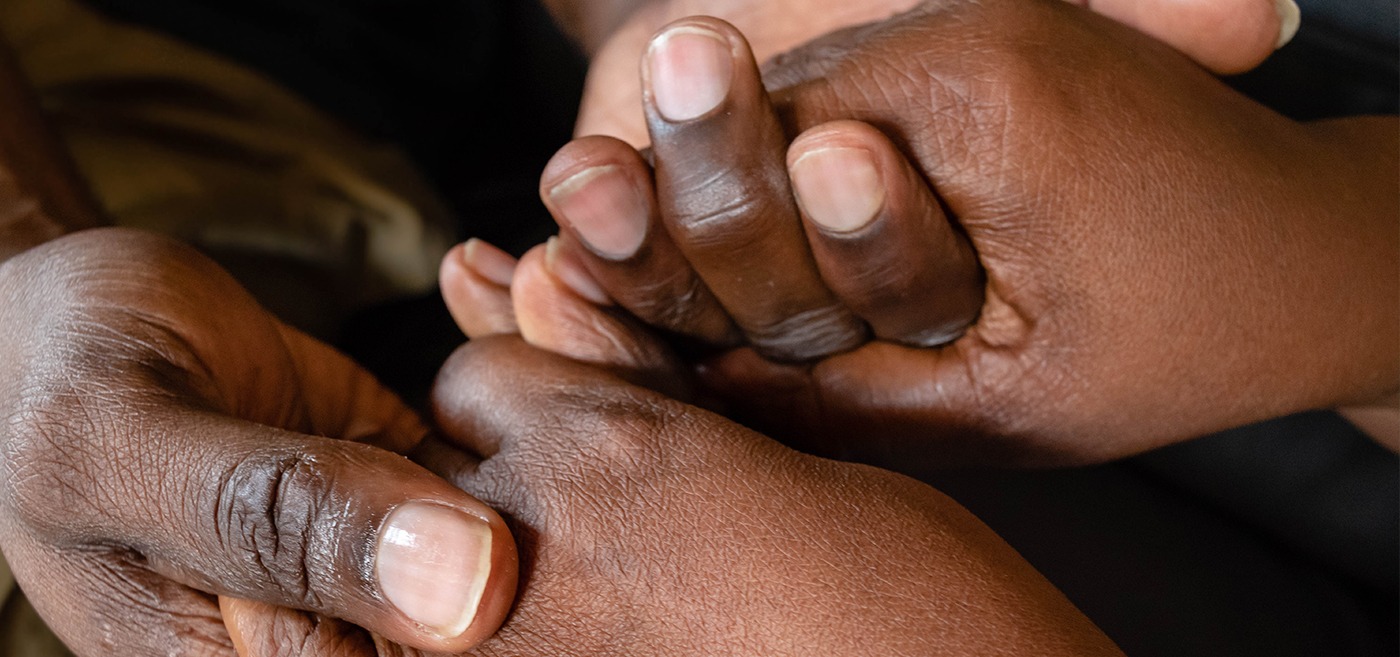
Each year, the 16 Days of Activism highlights the need for real change in the lives of people facing gender based violence. In Uganda, domestic violence remains one of the most common and most damaging justice problems. It affects families in every region and places heavy pressure on community leaders, police units and local courts that are doing their best with limited resources.
Uganda has made important commitments to improve access to justice. Yet many survivors still struggle to find a process that feels safe, respectful and timely. Cases often move between community actors and formal institutions, leaving survivors without clarity on what to expect.
HiiL is working with partners in Uganda, through a project funded by the European Union via TED and GIZ, to help close this gap. The aim is simple. Understand how survivors experience the system today, gather evidence that reflects real life, and support Ugandan institutions as they strengthen their response.
A Project Grounded in Experience
The initiative brings together several sources of insight.
First, national data. Uganda has one of the largest Justice Needs and Satisfaction datasets in the region, collected between 2016 and 2024. Hundreds of domestic violence stories sit inside that data. They show where survivors turn for help, what problems they face, and which outcomes matter most. Second, personal accounts. The project carries out in depth interviews with survivors and with frontline actors, including Local Council Courts, police units and community leaders. Their experiences give context to the numbers and show the pressures that shape day to day decisions. Together, these sources offer a fuller picture of the system as survivors meet it.
What Survivors Say They Need
Across all research, survivors point to a consistent set of expectations. They want respectful treatment from the start. They want safety throughout the process. They want action that is quick enough to prevent further harm. And they want outcomes that stop the violence and help restore stability. The project documents these expectations clearly, so that institutions can see what fairness looks like from the survivor’s perspective.
Improving Collaboration Across the System
Domestic violence cases touch many actors. Community leaders may be the first to respond. Local Council Courts handle large numbers of disputes. Police units step in when danger increases. Civil society groups offer guidance and support. Yet these actors do not always work with the same information or the same understanding of what survivors need. Through workshops, the project will bring them together to identify gaps, discuss practical challenges and explore solutions that fit Uganda’s social and political context. The sessions will encourage open conversation and help build shared approaches that protect survivors more effectively.
A Practical Report for Action
At the end of the project, HiiL will share an action-oriented report designed for real use across the justice sector. It will outline:
• clearer pathways that help survivors navigate the system
• approaches for early intervention and prevention
• steps to reduce delays and unnecessary repetition
• measures that strengthen dignity, safety and accountability
The report will be relevant for justice institutions, community actors, civil society, policymakers and development partners.
Alignment with TED’s Goals
TED has highlighted the Uganda initiative as an example of strengthening people-centred justice. The project contributes evidence that can inform policy and support improvements across the justice chain. Domestic violence remains a significant challenge for governance and public confidence, which places this work firmly within TED’s mandate.
The TED write-up can be accessed here
A Contribution to the 16 Days of Activism
The 16 Days campaign calls for meaningful action, not only awareness. This project responds by placing survivors at the centre of justice design, strengthening collaboration and offering practical solutions that institutions can apply. Uganda has capable actors across both formal and community systems. By working with them and grounding recommendations in lived experience, the project aims to help build a justice process that is accessible, safe, dignified and fair for every survivor.